Good daily oral hygiene is the foundation of a healthy mouth, but even the best at-home routines miss buildup in tight spaces and along the gumline. Professional dental cleanings bridge that gap, removing hardened deposits and giving your dental team a chance to evaluate your gums and teeth for early signs of trouble. Regular cleanings are one of the simplest, most effective preventive measures patients can take to protect both their smile and their overall health.
Toothbrushing and flossing are essential, but plaque that’s left behind hardens into tartar (calculus) and adheres strongly to tooth surfaces. Once hardened, calcium-rich tartar cannot be removed with a toothbrush alone. Professional cleanings eliminate these deposits before they can damage enamel or trigger inflammation of the gums—conditions that can lead to cavities and periodontal disease if left unaddressed.
Beyond the visible benefits, removing bacterial buildup reduces the inflammatory burden in your mouth. Chronic gum inflammation has been linked with systemic effects on health, so maintaining a clean oral environment helps reduce risk factors associated with other health concerns. In short, cleanings do more than freshen breath—they lower bacterial load and support long-term wellness.
Regular cleanings also create opportunities for early detection. During a routine appointment, hygienists and dentists can identify tiny problems—areas of demineralization, early gum recession, or unusual tissue changes—that are much easier to manage when found early. Preventive visits turn reactive treatment into proactive care.
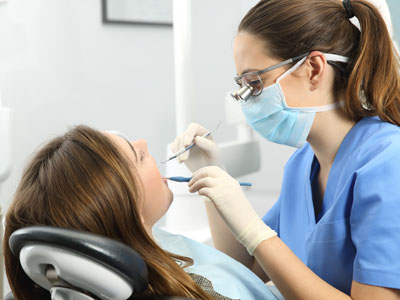
Contemporary cleanings combine gentle hand instruments and advanced ultrasonic scalers to remove plaque and tartar efficiently. Ultrasonic scalers use controlled vibrations and a stream of water to break up stubborn deposits, while hand instruments allow the hygienist to carefully refine hard-to-reach surfaces. The process is designed to be thorough but minimally invasive.
After removal of calculus, the hygienist will typically polish your teeth to smooth the enamel and remove surface stains, leaving teeth feeling clean and refreshed. If indicated, a topical fluoride or remineralizing treatment may be applied to strengthen enamel in vulnerable areas. Each step is chosen to support your specific oral health needs rather than as a one-size-fits-all routine.
Throughout the cleaning, your dental team monitors gum health and pocket depths, records areas of concern, and updates your chart so the dentist can review any findings. This coordinated approach ensures important changes are tracked over time and that follow-up care is recommended when necessary.
Many patients worry that cleanings will be uncomfortable, especially if they already experience sensitive teeth or inflamed gums. In most cases, routine cleanings are well-tolerated and do not require anesthesia. When sensitivity is present, hygienists use desensitizing pastes, topical gels, or adjusted instrumentation techniques to keep the appointment comfortable.
For patients with significant dental anxiety or heightened discomfort due to advanced periodontal disease, additional comfort measures can be offered. These may include targeted topical anesthetics or brief periods of local numbing to allow thorough cleaning without undue pain. Open communication with the hygienist before and during the procedure helps tailor the experience to each patient’s comfort level.
Good post-care guidance also helps reduce sensitivity after a cleaning. Your dental team can recommend toothpaste formulations, brushing techniques, and short-term adjustments to home care that minimize discomfort while promoting healing of inflamed tissues.
A professional cleaning is most effective when paired with a thoughtful at-home routine. Hygienists provide individualized instruction on brushing technique, interdental cleaning with floss or other tools, and the timing and sequence of daily care. Small improvements in technique can make a big difference in reducing plaque accumulation between visits.
Nutritional habits and lifestyle factors also affect how long the benefits of a cleaning last. Reducing frequent snacking on sugary or acidic foods, staying hydrated, and avoiding tobacco products all support oral health. Your hygienist can offer realistic, evidence-based recommendations that align with your lifestyle rather than prescribing impractical rules.
Finally, cleanings offer a checkpoint for reinforcement: the team will remind you which areas need extra attention and set achievable goals for the next visit. This collaborative, goal-oriented approach encourages steady progress and helps patients take ownership of their oral health.
While twice-yearly cleanings are a common benchmark for many patients, scheduling should be personalized based on risk factors. Those with a history of periodontal disease, extensive restorations, or systemic conditions that affect oral health may require more frequent visits. Conversely, patients with low risk and excellent home care may do well on a standard six-month cadence—your dental team will recommend the interval that best supports your needs.
Consistency is the key to prevention. Regular appointments create a reliable rhythm of maintenance, allowing the team to monitor changes, reinforce healthy habits, and intervene earlier when problems appear. Over time, this consistency reduces the need for more extensive therapies and preserves natural tooth structure.
When planning long-term care, your dental team integrates cleanings with other preventive services, such as oral cancer screening and routine exams, to provide a comprehensive strategy. This holistic view ensures that each visit contributes to the broader goal of lasting oral health and a confident smile.
At Whitesburg Dental Design, we view professional cleanings as a central part of maintaining healthy teeth and gums. If you have questions about what to expect during your next appointment or how often you should schedule a cleaning, please contact us for more information. Our team is happy to help you create a preventive plan tailored to your needs.


Professional dental cleanings are preventive procedures performed by a licensed dental hygienist or dentist to remove plaque and hardened tartar from tooth surfaces and along the gumline. These visits typically include an evaluation of soft tissues, a check of pocket depths, and documentation of any changes in oral health. Cleanings are individualized to each patient's needs and may include polishing and topical remineralizing treatments when appropriate.
Hygienists combine ultrasonic scalers and hand instruments to efficiently remove deposits, then polish enamel to reduce surface staining and smooth rough areas where plaque collects. Throughout the appointment, clinicians monitor gum health and record findings so the dentist can review and recommend any needed follow-up. The goal is to reduce bacterial load, protect tooth structure, and support long-term oral wellness.
Daily brushing and flossing are essential but often miss tartar that has hardened along the gumline and between tight contacts; once mineralized, these deposits require professional removal. Left untreated, tartar contributes to enamel damage, cavity formation, and inflammation of the gums that can progress to periodontal disease. Removing buildup lowers the bacterial burden in the mouth and reduces chronic inflammation that may affect overall health.
Regular cleanings also provide an opportunity for early detection of oral problems such as demineralization, unusual tissue changes, or early gum recession that are easier to manage when identified promptly. Preventive visits shift care from reactive to proactive, helping patients avoid more extensive restorative treatment later. Consistent maintenance preserves natural tooth structure and supports a confident, healthy smile.
While six-month intervals are a common baseline for many patients, the ideal frequency should be personalized based on risk factors such as a history of periodontal disease, heavy plaque accumulation, smoking, diabetes, or complex restorations. Patients with active gum disease or other risk factors may need visits every three to four months, whereas low‑risk individuals with excellent home care might maintain oral health on a standard six-month cadence. Your dental team will recommend an interval that best supports prevention and monitoring.
Consistency matters more than cadence alone, because regular appointments enable the team to track changes over time and intervene early when problems arise. Establishing a predictable schedule also reinforces home-care goals and reduces the likelihood of needing more invasive treatments. Follow-up intervals are adjusted as health improves or if new risk factors emerge.
A typical cleaning begins with a focused evaluation, including a review of medical history and an oral exam to note any obvious concerns. The hygienist then uses ultrasonic scalers to loosen heavy deposits and hand instruments to remove remaining calculus from tooth surfaces and below the gumline. After thorough debridement, the technician polishes teeth, applies fluoride or a remineralizing agent when indicated, and records pocket depths and other findings.
The appointment concludes with personalized oral-hygiene instruction that targets areas of concern and practical advice for improving technique and interdental cleaning. Clinicians discuss any observations and coordinate with the dentist for further diagnostics or treatment if necessary. This coordinated approach ensures continuity of care and helps patients understand the next steps in their prevention plan.
Ultrasonic scalers are widely used tools that employ controlled vibrations and a water spray to break up and flush away deposits efficiently, making cleanings faster and more comfortable for many patients. They are safe for most people, including those with restorations, and modern units offer adjustable power settings so clinicians can tailor the experience to sensitivity and the amount of buildup. The water spray helps keep the area cool and reduces aerosol by combining with high-volume evacuation when appropriate.
Some patients notice a buzzing sensation or slight sensitivity during scaling, but discomfort is usually minimal and brief; hygienists can modify technique, power, or use topical desensitizers to keep the visit comfortable. Aftercare instructions may include short-term adjustments in brushing technique and recommending desensitizing toothpaste to manage transient sensitivity. If you have specific medical implants or devices, mention them during your health-history review so the team can take any necessary precautions.
Hygienists use a variety of approaches to minimize sensitivity, including gentle instrumentation, desensitizing pastes or gels, and brief topical anesthetics when clinically indicated. Open communication before and during the appointment allows the team to adjust technique, provide breaks, and prioritize comfort. For patients with significant anxiety, the office can offer additional comfort measures and coping strategies, such as guided breathing or scheduling longer appointments to avoid rushing.
Behavioral techniques and clear explanations of each step often reduce fear by increasing predictability and control for the patient. Practical aftercare guidance—like switching to a low-abrasive toothpaste or using a soft-bristled brush—can also reduce post‑appointment discomfort. Discuss your concerns with the team so they can create a comfortable, supportive experience tailored to your needs.
Effective home care complements professional cleanings and extends their benefits by reducing plaque accumulation between visits. Brush twice daily with a fluoride toothpaste using gentle, thorough technique, clean interdental spaces daily with floss or an interdental device, and consider adjuncts such as antimicrobial rinses when recommended by your hygienist. Small improvements in brushing method and consistent interdental cleaning can significantly reduce the speed at which deposits reform.
Lifestyle choices also influence how long a cleaning lasts; limiting frequent snacking on sugary or acidic foods, staying well‑hydrated, and avoiding tobacco all support oral health. Your hygienist can suggest realistic, evidence-based changes that fit your routine rather than recommending impractical rules. Regular follow-up allows the team to evaluate progress and update recommendations as needed.
Yes. For patients with gingivitis, routine cleanings combined with improved home care can reverse inflammation and restore healthier gum tissue. When periodontal disease is present, more frequent and targeted deep-cleaning procedures—often called scaling and root planing—are used to remove bacteria and calculus from deeper pockets beneath the gumline. These therapeutic visits are part of a comprehensive periodontal plan that may include ongoing maintenance visits to control disease activity.
Early detection and consistent maintenance are critical to prevent progression that can threaten tooth-supporting structures. The dental team monitors pocket depths, bleeding on probing, and attachment levels to tailor treatment and maintenance intervals. In many cases, disciplined home care and regular periodontal maintenance reduce the need for more invasive interventions.
Most medical conditions do not prevent a patient from receiving routine dental cleanings, but it is important to share a complete and up-to-date medical history with the dental team before each visit. Certain conditions—such as uncontrolled diabetes, recent cardiac events, or immunosuppressive therapies—may require additional precautions, coordination with your physician, or modifications to the appointment plan. The team will assess your overall health and take any necessary steps to ensure a safe, effective cleaning.
For patients on medications that affect bleeding, healing, or immune response, clinicians adjust techniques and provide clear post-care instructions to support recovery. Good communication between your medical and dental providers helps reduce risk and supports continuity of care. If you have concerns about a specific condition or medication, mention it when you schedule your appointment so the office can prepare accordingly.
To prepare, bring an updated list of medications and any changes in your medical history, arrive a few minutes early to complete paperwork if needed, and let the team know about concerns such as sensitivity or anxiety so they can accommodate you. If you have a removable appliance, bring it or leave instructions about it; otherwise, no special fasting or preparation is usually required for a routine cleaning. Clear communication about recent symptoms or treatments ensures the hygienist can tailor the visit to your needs.
After a cleaning you may experience mild, temporary sensitivity or gum tenderness, especially if inflammation was present before treatment; these symptoms typically resolve within a few days with gentle home care and any recommended desensitizing products. The team will provide personalized aftercare advice and remind you of the interval for your next visit based on your risk profile. At our office, Whitesburg Dental Design, we prioritize patient comfort and clear follow-up so each cleaning advances your long-term prevention plan.
Ready to schedule your next dental appointment or have questions about our services?
Contacting Whitesburg Dental Design is easy! Our friendly staff is available to assist you with scheduling appointments, answering inquiries about treatment options, and addressing any concerns you may have. Whether you prefer to give us a call, send us an email, or fill out our convenient online contact form, we're here to help. Don't wait to take the first step towards achieving the smile of your dreams – reach out to us today and discover the difference personalized dental care can make.